AU
AU
 AT
AT
 BE
BE
 BG
BG
 CA
CA
 HR
HR
 CY
CY
 CZ
CZ
 DK
DK
 EE
EE
 FI
FI
 DE
DE
 GR
GR
 GG
GG
 HU
HU
 IE
IE
 IM
IM
 IT
IT
 JE
JE
 LV
LV
 LT
LT
 LU
LU
 MT
MT
 NL
NL
 NZ
NZ
 PL
PL
 PT
PT
 RO
RO
 SK
SK
 SI
SI
 ES
ES
 SE
SE
 GB
GB
 US
US
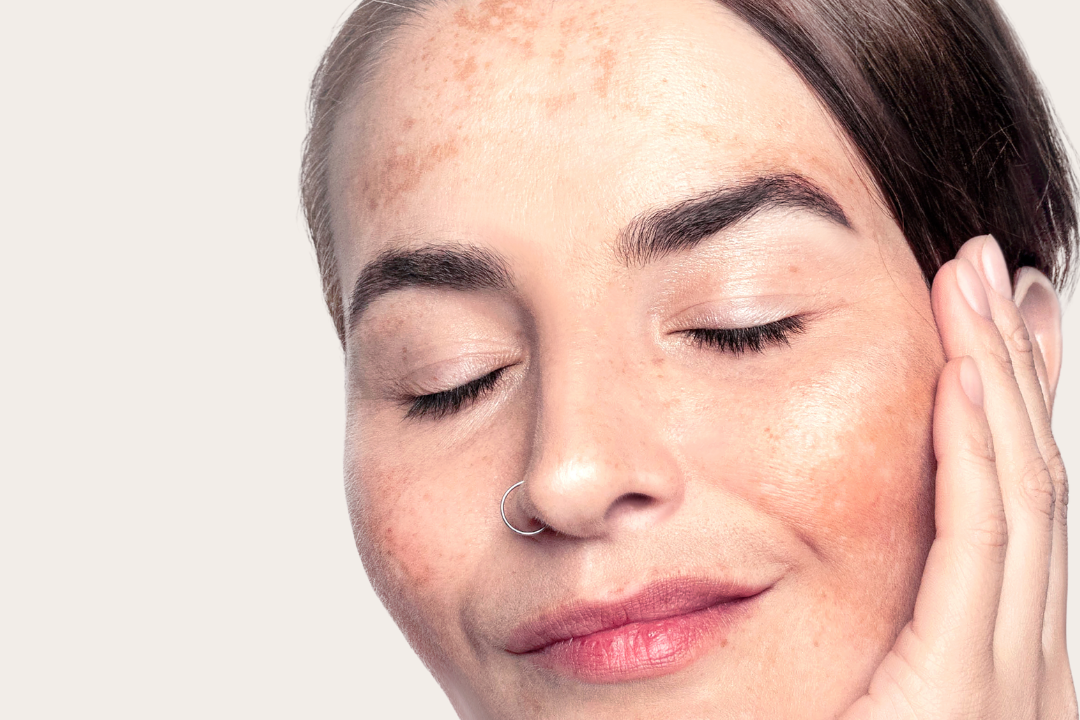
How To Reduce Pigmentation On Your Face: Expert Advice On Hyperpigmentation, Melasma And Dark Spots
Wondering how to reduce pigmentation on your face? Our experts explain the causes, best ingredients and skin habits that can help improve the appearance of uneven tone.

When pigmentation appears on your face, it’s natural to want it gone. Quickly. Dark spots, post-breakout marks, uneven tone or patchy areas of discolouration can feel frustrating, especially when they seem to arrive overnight and then take their sweet time fading.
But here’s where we need to be honest: pigmentation is not always something you can completely get rid of.
That does not mean you are stuck with it forever. It means the goal is usually to reduce its appearance, help prevent it from becoming darker and build a routine that supports your skin consistently.
As our skin expert Suzanne explains, “Pigmentation is something we look to inhibit, not completely remove. The aim is to improve its appearance with topical ingredients and good skin habits.”
 So, before we promise you a miracle cream or tell you one serum will do everything, let’s look at what pigmentation actually is, why it happens, and how to treat hyperpigmentation in a way that is honest, effective and kind to your skin.
What Is Hyperpigmentation?
Hyperpigmentation is when areas of the skin appear darker than the surrounding skin. It happens when the skin produces excess melanin (AKA the pigment responsible for giving our skin its colour).
This extra pigment can show up as dark spots, patches, post-breakout marks or uneven skin tone. It can appear on all skin tones and skin types, and it can be triggered by a number of different things, from UV exposure to hormones, heat, inflammation and trauma to the skin.
What Causes Pigmentation On The Face?
Pigmentation can be caused by several different triggers. Sometimes it appears after years of sun exposure. Sometimes it follows a breakout. Sometimes it is linked to hormones. Sometimes heat can play a role too.
As our Clinic Manager, Kimberley explains, “There are so many factors involved in pigmentation, which is why it can be so difficult to get rid of.”
Some of the most common causes include:
- UV exposure
- Heat exposure
- Hormonal changes
- Melasma
- Post-inflammatory marks after acne, eczema, bites or irritation
- Trauma to the skin
- Stress and cortisol levels
- Ageing and cumulative sun exposure
Suzanne adds, “Hormones can also be a trigger, so it’s about understanding why we’ve got the pigmentation and how to address it.”
That is the key. If pigmentation is being triggered by UV, your routine needs to focus on strong sun protection. If it is post-inflammatory, calming the skin and avoiding irritation matters. If it is melasma, heat, hormones and SPF consistency become even more important.
The Main Types Of Pigmentation
Not all pigmentation behaves in the same way. Some marks are linked to sun exposure, others to hormones or inflammation. Knowing the difference can help you understand why your pigmentation has appeared and what kind of approach may be most helpful.
1. Melasma
Melasma often appears as larger, patchy areas of pigmentation, commonly on the cheeks, forehead, upper lip, nose or chin. It is often linked with hormonal changes, which is why it may appear during pregnancy, while taking certain contraceptives, or around other hormonal shifts.
Melasma can also be particularly sensitive to UV and heat. That means a sunny day is not the only thing to think about. Hot weather, heat exposure and even warmth in the skin can contribute to flare-ups in some people.
Kimberley explains, “Pigmentation can be triggered by heat, not just the sun, especially with melasma, hormones, stress and cortisol levels.”
2. Sun Spots
Sun spots, sometimes called age spots, are usually linked to cumulative UV exposure. They often appear on areas that see the most daylight, such as the face, neck, chest, shoulders and hands.
They may become more noticeable over time and can deepen if skin is repeatedly exposed to UV without protection.
3. Post-Inflammatory Hyperpigmentation
Post-inflammatory hyperpigmentation appears after the skin has been inflamed, injured or irritated. This can happen after acne, eczema flare-ups, insect bites, picking, scratches or even some treatments if the skin becomes too inflamed.
Suzanne notes that pigmentation can be caused by trauma to the skin, which is why calming the skin and protecting the barrier is so important.
This type of pigmentation is especially common after breakouts. The blemish may go, but the mark it leaves behind decides to stay for the afterparty.
Why SPF Is The Most Important Step For Pigmentation
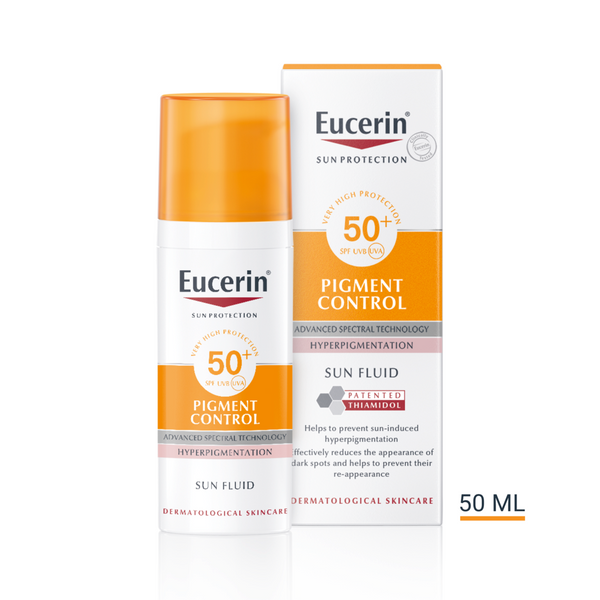
At Face the Future, we always recommend wearing SPF every day, and when it comes to pigmentation, this is no different.
We know SPF is not always the most dramatic answer. It does not sound as exciting as a new brightening serum or a powerful overnight treatment. But if you are serious about improving the appearance of pigmentation, SPF is the step your routine is begging you not to skip.
UV exposure can deepen existing pigmentation and encourage new pigmentation to form. This means even the best cream for pigmentation on face will struggle to do its job if your skin is not protected during the day.
And it is not just about applying SPF once in the morning and hoping for the best. Reapplication matters, especially if you are outdoors, sweating, swimming or spending time in direct light.
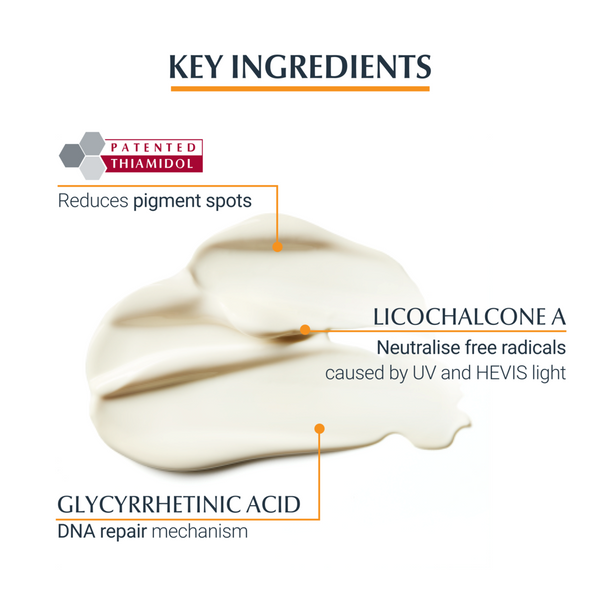
For pigmentation-prone skin, these habits help create the foundation for every other treatment step. Vitamin C, retinol, niacinamide and tranexamic acid can all support the appearance of pigmentation, but SPF helps protect the progress you are trying to make.
The Best Ingredients To Help Reduce Pigmentation
Topical ingredients can help visibly improve pigmentation, especially when used consistently and alongside daily SPF.
Suze explains her go-to's for pigmentation: “Topical ingredients that can help include tranexamic acid, vitamin A and vitamin C.”
Does Vitamin C Help With Hyperpigmentation?
Yes, vitamin C can help with hyperpigmentation by improving the look of uneven tone and supporting a brighter, more radiant complexion.
Vitamin C is often used in morning routines because it pairs well with SPF and helps support the skin against environmental stressors. It can be especially helpful for dullness, sun-related uneven tone and skin that looks a little flat or lacklustre.
Think of it as your morning glow support.
Does Retinol Help With Hyperpigmentation?
Yes, retinol can help with hyperpigmentation by supporting skin renewal.
Retinol, also known as vitamin A, encourages cell turnover, which can help soften the look of post-inflammatory marks, sun damage and uneven texture. It is especially useful when pigmentation is linked with breakouts, roughness or visible signs of ageing.
That said, retinol needs to be introduced carefully. Start slowly, use it at night and always wear SPF during the day, as retinoids can make skin more sensitive to sunlight.
Tranexamic Acid For Pigmentation
Tranexamic acid is often used to help improve the look of discolouration, including post-blemish marks and areas where the complexion appears patchy or uneven. It can be a helpful option for those looking to create a more balanced-looking skin tone.
Building A Pigmentation Routine
A pigmentation routine does not need to be complicated. In fact, the more consistent and manageable it is, the better.
A simple morning routine could include:
- Gentle cleanse
- Vitamin C
- Moisturiser
- Broad-spectrum SPF
- SPF reapplication throughout the day
An evening routine could include:
- Gentle cleanse
- Retinol, tranexamic acid or another targeted treatment, depending on your skin
- Barrier-supporting moisturiser
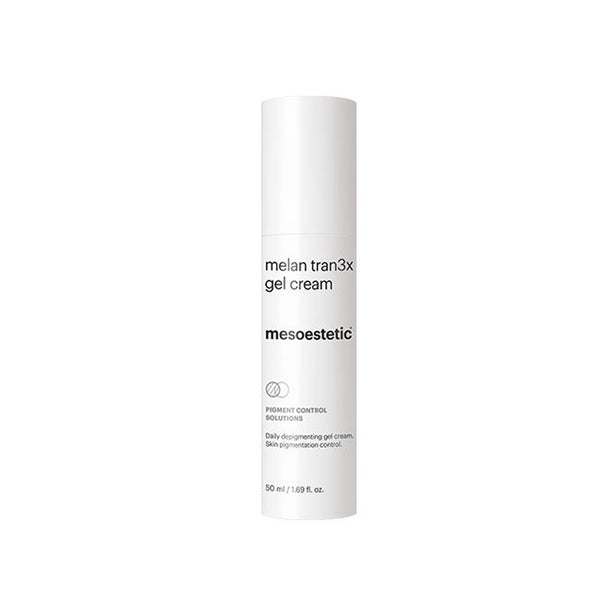
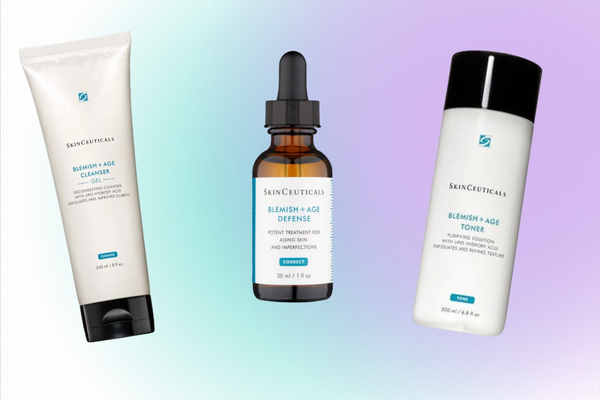
Shop Pigmentation Support At Face The Future
Explore our expert-approved pigmentation skincare at Face the Future, or book a consultation for personalised advice on the best routine for your skin.