supplements

Dear NOA: "Should Every Woman Be Taking Magnesium?"
–
7 min read
Discover what magnesium does, how much women need, the difference between glycinate and citrate, and how to choose a supplement safely.

Magnesium has had something of a moment. Scroll through any wellness corner of the internet and you will find it recommended for sleep, stress, PMS, migraines and pretty much everything in between. So, does that mean every woman should be taking a magnesium supplement? The honest answer is more nuanced than the trend suggests.
What Does Magnesium Do?
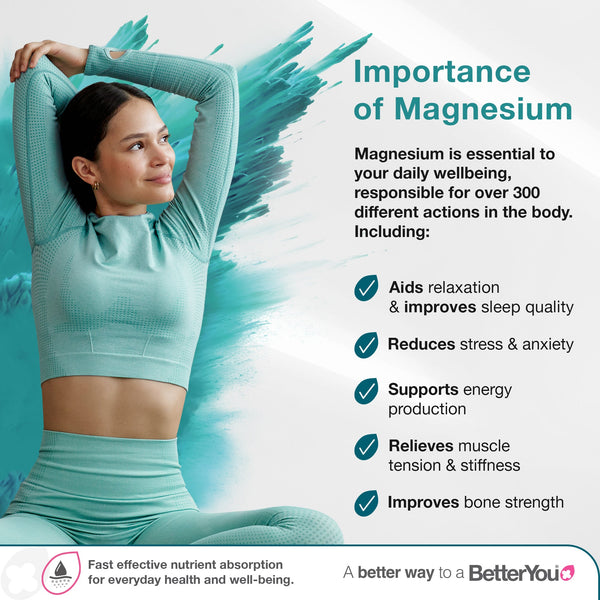
Magnesium is involved in several hundred processes in the body. It contributes to normal muscle function, to the reduction of tiredness and fatigue, and to normal psychological function, which is part of why it gets so much attention for sleep and mood. It also plays a role in bone health and normal energy metabolism.
It also helps transport calcium and potassium across cell membranes, a process involved in normal muscle, nerve and heart function. Magnesium can also contribute to:
- Energy & DNA production
- Normal muscle and psychological function
- Electrolyte balance
- A reduction in tiredness and fatigue
- The maintenance of healthy bones and teeth
- Keeping your blood pressure regulated
Why So Many Women Feel Low on Magnesium
A few things make magnesium easy to fall short on. Modern diets often lean on processed food, which tends to be lower in magnesium than wholefoods. Stress increases how much magnesium the body uses. And hormonal fluctuations across the menstrual cycle, as well as through perimenopause, can affect how magnesium is used and how deficiency symptoms are experienced.
However, the NHS recommends approximately 270mg of magnesium per day for women aged 19 to 64. This refers to total dietary intake, not necessarily the amount that should be taken through a supplement. The NHS also advises that most people should be able to obtain enough magnesium by eating a varied and balanced diet.
Can Magnesium Help with Sleep and Stress?
Magnesium is commonly included in evening supplements because it contributes to normal muscle function, psychological function and nervous system function. Some women also find that taking a supplement forms a useful part of a consistent wind-down routine.
However, magnesium should not be presented as a guaranteed treatment for poor sleep.
Read Face the Future’s guide to getting more deep sleep and choosing sleep supplements for a broader look at evening wellbeing.
For things like stress, the evidence examining magnesium supplements has shown some encouraging results, particularly in people who may already have lower magnesium status. Still, the quality and consistency of the available research are limited at this stage.

So, Should You Take a Supplement?
Not automatically, and that is worth saying clearly. The best starting point is always food. Leafy greens, nuts, seeds, wholegrains and legumes are all good natural sources, and for a lot of women, improving diet alone makes a noticeable difference. Supplementation can be genuinely useful for filling a real gap. Still, very high doses, especially in particular forms, can cause digestive upset, and taking a supplement blindly is rarely as effective as understanding what your body actually needs first.
If you do want to add a supplement, the DR.VEGAN Magnesium Supplement is a straightforward, well-absorbed capsule form. For those who prefer to build magnesium into a wind-down ritual rather than another pill, the NEOM Real Luxury Magnesium Body Butter is a lovely way to end the day.
Getting a clearer picture
Magnesium status is not something a standard blood test measures directly, which is part of why blanket advice online is so unhelpful. What a blood test can do is give you context, such as thyroid function and blood sugar markers, both of which interact with how your body uses magnesium and other nutrients. Speaking to a human nutritionist about your specific symptoms, diet and results will always beat a generic recommendation pulled from the internet, particularly because women's health research is still catching up in a lot of these areas.
So no, not every woman needs a magnesium supplement by default. But if you are one of the many who could genuinely benefit, it is worth finding out properly rather than guessing.
What Are the Signs of Low Magnesium?
Early signs of magnesium deficiency can include reduced appetite, nausea, fatigue and weakness. More significant deficiency may cause symptoms such as muscle contractions, cramps, tingling or changes in heart rhythm. These symptoms are not unique to magnesium deficiency and can have many other causes.
Fatigue, poor sleep, headaches and muscle discomfort may also be associated with iron status, thyroid function, vitamin levels, hydration, medication, stress or an underlying health condition.
That overlap is why it is rarely helpful to diagnose a magnesium deficiency from symptoms alone. Face The Future’s guide on why you may feel tired all the time explores some of the other factors worth considering.
How Much Magnesium Is Too Much?
Magnesium obtained naturally from food does not normally need to be restricted in healthy people because the kidneys help regulate excess amounts.
Supplements require more care. NHS guidance says that taking more than 400mg of magnesium from supplements for a short period can cause diarrhoea, while 400mg or less a day is unlikely to cause harm for most adults.
This does not mean that 400mg is the right dose for everyone. Follow the serving instructions on your chosen product and avoid increasing the amount simply because you have not noticed an immediate effect.

Magnesium-Rich Foods to Eat More Often
Food should usually be the starting point. Useful sources of magnesium include:
- Spinach and other leafy green vegetables
- Nuts, including almonds and cashews
- Pumpkin, chia and sesame seeds
- Beans, lentils and chickpeas
- Wholemeal bread and other wholegrains
- Some fortified breakfast cereals
The NHS specifically identifies spinach, nuts and wholemeal bread as helpful dietary sources.
Final Thoughts
Start by considering your diet. If you think your intake may be inadequate, look at the amount and form of magnesium in any product and avoid relying on broad promises about sleep, stress or hormonal balance.
A well-chosen supplement can help fill a genuine nutritional gap. The most useful approach is the one that considers your complete diet, medication, symptoms and health history rather than treating magnesium as a universal wellness cure.
For help comparing products, explore Face the Future’s wellness supplements.
Megan Hallett is a Registered Nutritional Therapist and Head of Nutrition at NOA (Now Often Always), a women's health platform offering personalised blood testing and nutrition support. This article was written for Face the Future as part of NOA's ongoing partnership and is for educational purposes only.
The Magnesium Edit