AU
AU
 AT
AT
 BE
BE
 BG
BG
 CA
CA
 HR
HR
 CY
CY
 CZ
CZ
 DK
DK
 EE
EE
 FI
FI
 DE
DE
 GR
GR
 GG
GG
 HU
HU
 IE
IE
 IM
IM
 IT
IT
 JE
JE
 LV
LV
 LT
LT
 LU
LU
 MT
MT
 NL
NL
 NZ
NZ
 PL
PL
 PT
PT
 RO
RO
 SK
SK
 SI
SI
 ES
ES
 SE
SE
 GB
GB
 US
US
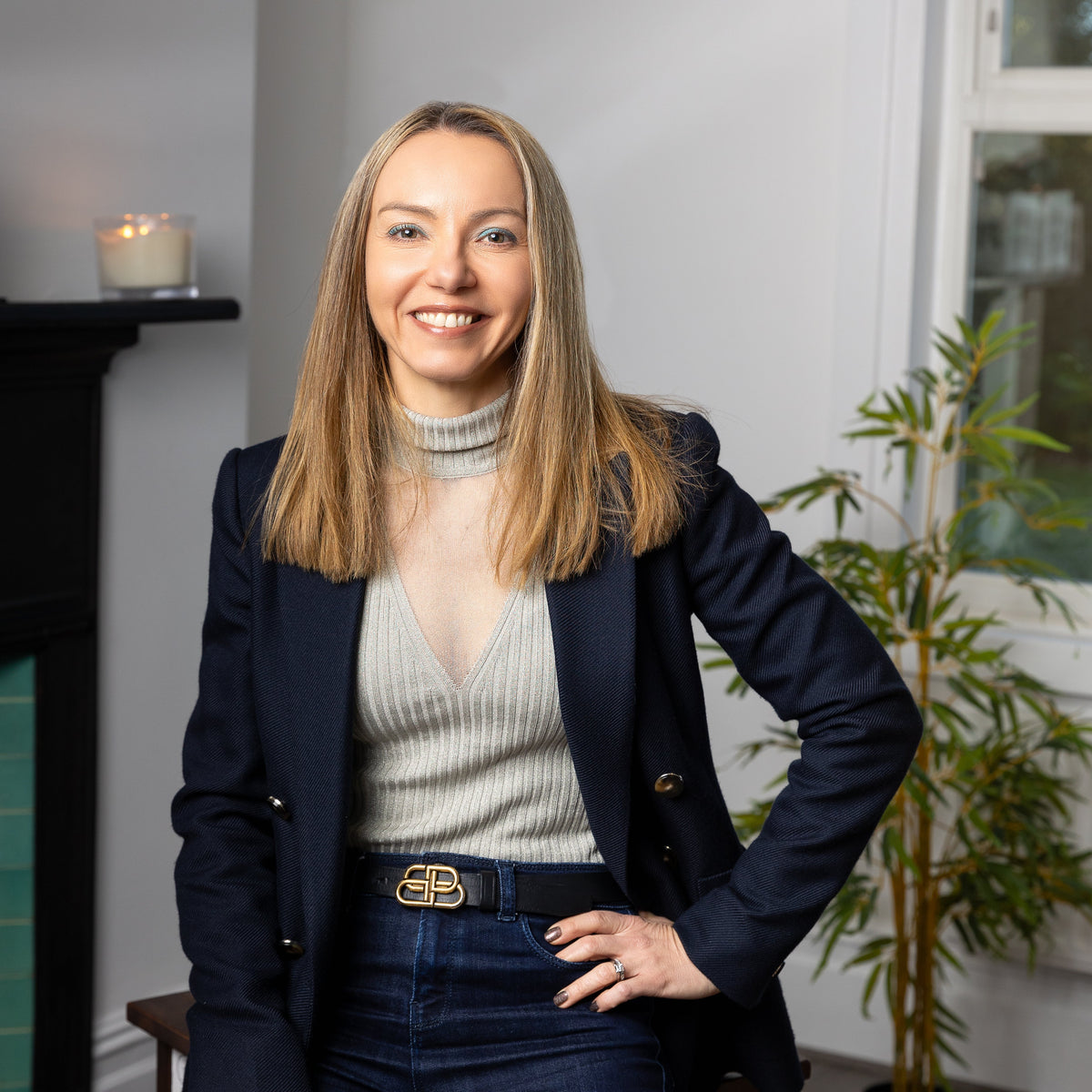
Our Co-Owner and Director's Menopause Journey and Tips
Julia shares the reality of navigating menopause, the symptoms she wasn’t prepared for and the advice she would give other women now.

Julia Barcoe-Thompson is Director and Co-Owner here at Face the Future, one of the UK’s leading skincare and beauty retailers, with clinic-rooted expertise across hundreds of trusted brands. Currently navigating menopause herself, Julia shares her own experience alongside her tips on skin and wellbeing.
My Experience
When I first started experiencing symptoms of perimenopause, I honestly didn’t realise what was happening to me. Looking back, I was really naïve. I think because the topic wasn’t openly discussed, thank goodness that has changed, it seemed to be a bit of a taboo subject. Apart from knowing that my own mother had suffered with hot flushes and very heavy bleeding, I knew nothing.
My first real symptom was night sweats. I’d wake up absolutely dripping, initially convincing myself that the bedroom must just be too hot! Then came continual heavy bleeding, problems sleeping, low mood and a complete lack of energy. But by far the hardest thing for me was the brain fog.
I’d always been confident in my own ability, particularly at work, and suddenly I was forgetting words mid sentence, losing my train of thought and questioning myself constantly. I felt like I’d lost who I was. My skin, hair and nails changed too. My skin became dull, pigmentation appeared, my hair started thinning and breaking and my nails became weak. That was back in 2020 and, thankfully, quite a lot has changed since then.
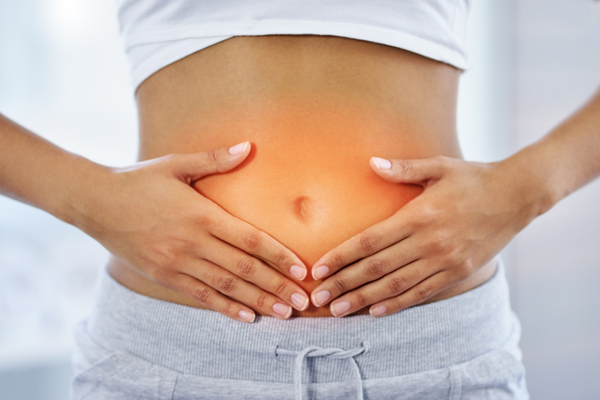
The night sweats have now disappeared, as has the heavy bleeding, and my sleep and energy are much better. I’d love to say that everything has completely returned to how it was before, but it hasn’t. I still question myself more than I used to and my confidence isn’t quite where it once was. I’ve also noticed a change in my body shape, particularly around my tummy, despite my weight remaining stable and continuing to exercise regularly.
Tips From My Experience
One of the biggest things I’ve learned is not to simply accept changes that are affecting how you feel.
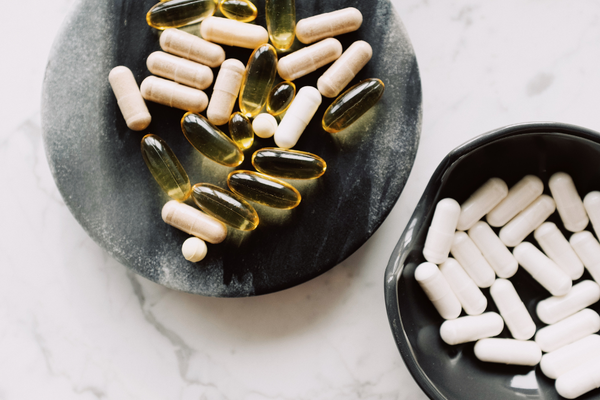
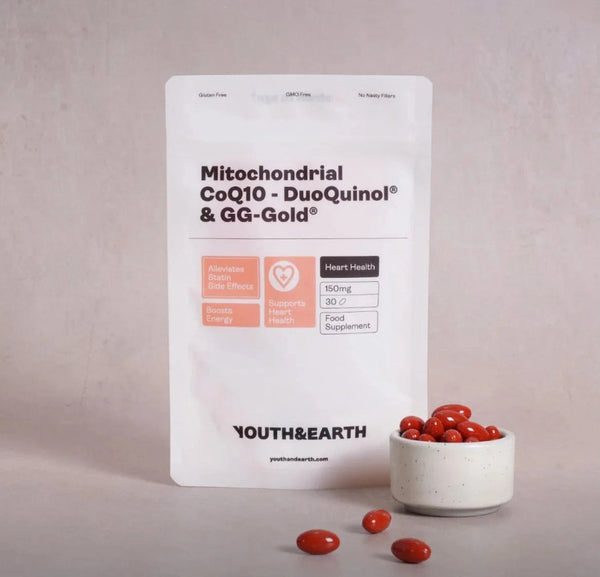
I recently had my bloods tested through NOA so I could get personalised nutrition and supplement advice rather than guessing what my body might need. I now take BCAAs, creatine, Vit B, a thyroid complex, collagen and magnesium, and I’ve genuinely noticed a difference in my sleep, energy and overall wellbeing. I’ve also, on the advice of the nutritionist, made simple changes to what and how I eat which has also made a big difference.

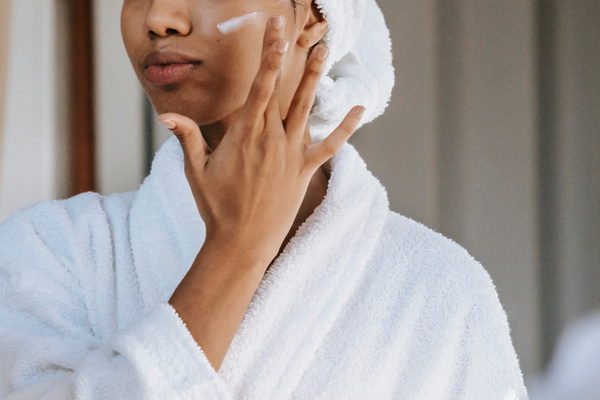
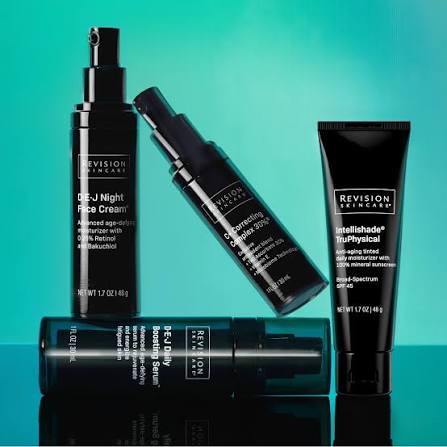
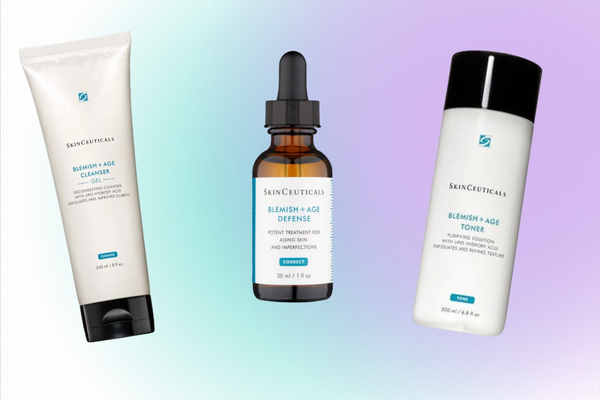
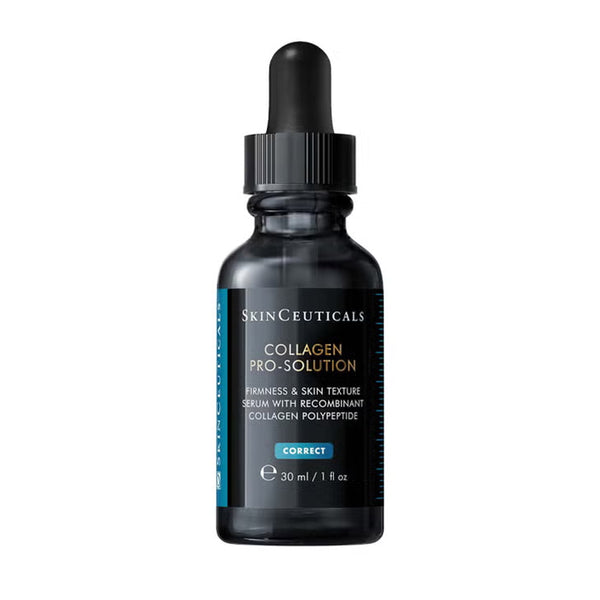
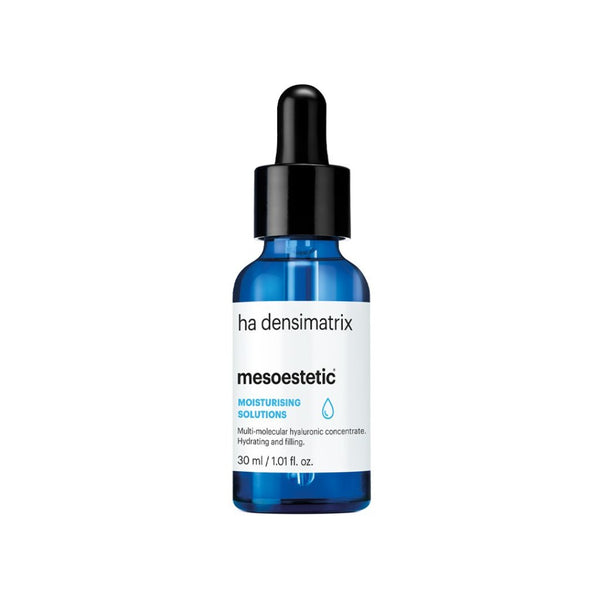
My skin has been another big focus for me. I’m incredibly lucky to have the Face the Future skin experts around me, and their advice has made a huge difference over the years. In the morning, I focus on Vitamin C, collagen support, hyaluronic acid and, of course, SPF. In the evening, I use Vitamin A and regularly incorporate a mask into my routine.
Shop Julia's Skincare Routine




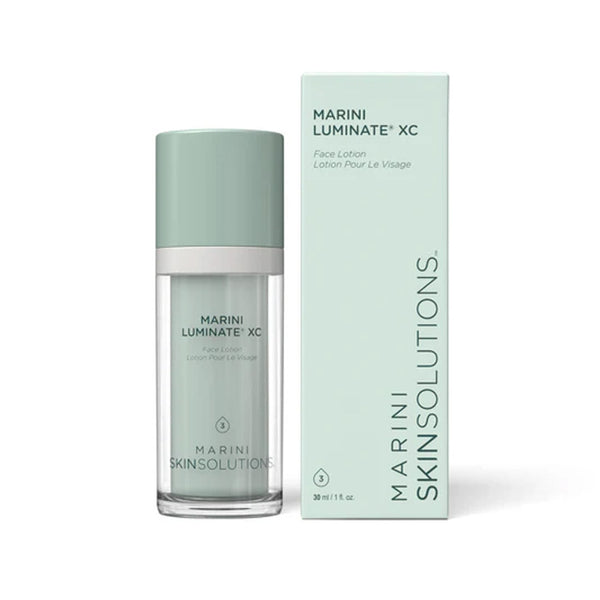
Exercise is still a big part of my life too. I exercise regularly and include weights, which is something I started doing more deliberately as I learned more about the changes our bodies go through during menopause.
If I could give one piece of advice to anyone going through perimenopause or menopause, it would be this: don’t just put up with feeling different because you think it’s something you have to accept.
Talk to someone. Ask questions. Get professional advice and find out what is going on in your body, because everyone’s experience is different. For me, speaking to the experts around me and having my bloods tested have been two of the best things I’ve done. I feel better, I sleep better, I have more energy and my skin feels better. I’m still on the journey and still learning, but I understand my body far more than I did when this all started. And I definitely no longer blame the central heating for the night sweats!

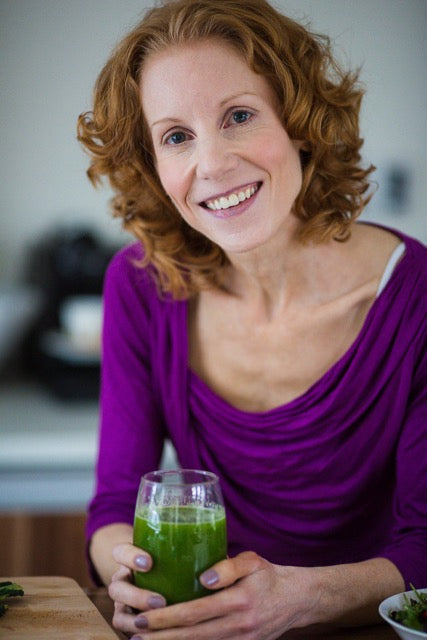
Sign up for our live webinar and join us on the 19th October at 1pm where you can ask Julia and Christine Bailey for advice and tips on how your nutrition can support you through menopause.