AU
AU
 AT
AT
 BE
BE
 BG
BG
 CA
CA
 HR
HR
 CY
CY
 CZ
CZ
 DK
DK
 EE
EE
 FI
FI
 DE
DE
 GR
GR
 GG
GG
 HU
HU
 IE
IE
 IM
IM
 IT
IT
 JE
JE
 LV
LV
 LT
LT
 LU
LU
 MT
MT
 NL
NL
 NZ
NZ
 PL
PL
 PT
PT
 RO
RO
 SK
SK
 SI
SI
 ES
ES
 SE
SE
 GB
GB
 US
US
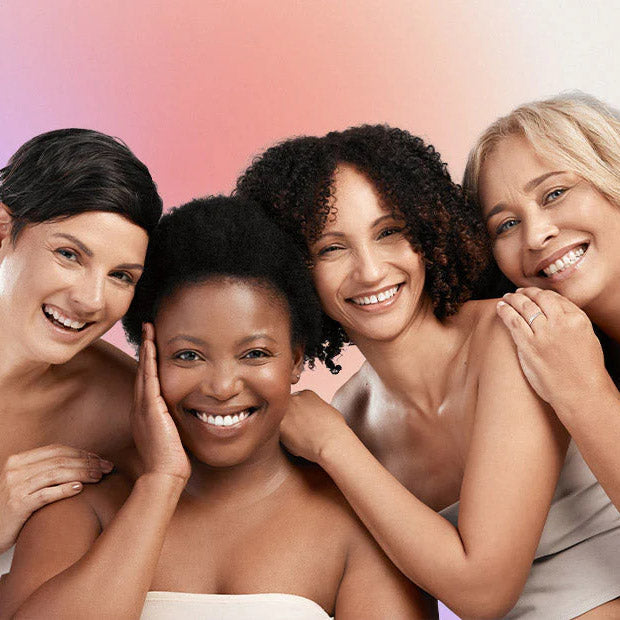
Best Menopause Supplements For Your Skin, Sleep & Energy
Skin suddenly feeling drier? Sleep becoming unpredictable? Energy disappearing before lunchtime? We explain how to choose the best menopause supplements for your symptoms, including targeted support for perimenopause, skin, sleep and fatigue.

Skin that suddenly feels drier than usual. Nights spent throwing the duvet off, pulling it back on and checking the clock. Energy levels that seem to disappear halfway through the afternoon.
Perimenopause and menopause can affect several parts of your day at once, which is why choosing a supplement can quickly become confusing. Do you need magnesium? Collagen? A menopause multivitamin? Something specifically designed for hormonal changes? Or all of the above?
The honest answer is that there is no single “best menopause supplement” for everyone.
The most useful option will depend on the stage you are in, the symptoms affecting you most and what else you are already taking. A supplement chosen for dry, less resilient skin will look very different to one selected for restless sleep or persistent tiredness.
Supplements are not a replacement for a balanced diet, professional advice or medical menopause treatment. However, a carefully chosen formula can become a supportive part of your wider routine.
So, where should you start? Let’s break it down.

First, What Is the Difference Between Perimenopause and Menopause?
Perimenopause is the transitional stage before menopause. During this time, levels of hormones including oestrogen and progesterone begin to fluctuate, which can make symptoms feel unpredictable.
You may notice that your periods change, your sleep becomes lighter, your skin reacts differently or your mood and energy levels feel harder to manage. For some women, these changes begin in their late 30s. For others, they become noticeable during their 40s.
Menopause is reached when you have not had a period for 12 consecutive months, provided there is no other medical reason for your periods to have stopped.
This distinction matters when choosing a supplement. During perimenopause, you might be looking for support with fluctuating cycles, mood, concentration and sleep. After menopause, your priorities may shift towards skin dryness, bone health, muscle function and longer-term nutritional support.
Our guide to the first signs of perimenopause explores these early changes in more detail.
Can Supplements Actually Help During Menopause?
Menopause supplements may provide nutrients that support normal functions such as your energy metabolism, psychological function, skin health, muscle function and bone maintenance.
That wording is important.
A supplement may support your nutritional intake, but it should not be expected to “balance your hormones”, cure insomnia or treat every menopause symptom on its own.
Evidence for herbal and complementary menopause products is mixed. The British Menopause Society advises that relatively few complementary treatments have strong evidence behind them, although individual women may still feel that certain products support their wellbeing. NHS guidance also recommends asking a GP or pharmacist before taking herbal remedies, particularly if you use prescription medicines or HRT.
Think of supplements as one part of the picture alongside:
- A varied, balanced diet
- Regular movement and strength exercise
- A consistent sleep routine
- Stress support
- Appropriate skincare
- HRT or non-hormonal treatments, where suitable
- Medical advice for severe, persistent or unfamiliar symptoms
In other words, supplements can be useful support. They are not the whole plan.
How to Choose the Best Menopause Supplement for You
Start with the symptom that has the biggest impact on your day.
If your skin feels dry and less firm, you may want a collagen or skin-focused supplement. If you are lying awake feeling hot, restless or unable to switch off, magnesium may be more relevant. If tiredness is your biggest concern, look at your sleep, diet and health first rather than immediately reaching for the strongest energy formula you can find.
It is also worth checking:
- Whether the product is designed for perimenopause, menopause or general wellbeing
- The amounts of vitamins and minerals provided
- Whether ingredients overlap with other supplements you take
- Any herbal ingredients that could interact with medication
- Allergens, including fish in marine collagen or omega-3 products
- Whether the format is realistic for you to take consistently
Five half-used tubs in the cupboard will not give you a better result than one thoughtfully chosen supplement you remember to take.
Our Best Menopause Supplements for Skin, Sleep and Energy
1. Best for Broad Perimenopause Support: DR.VEGAN PeriMenoFriend®
When periods have not stopped but everything suddenly feels slightly different, a perimenopause-specific formula may feel more relevant than a general menopause supplement.
DR.VEGAN PeriMenoFriend® combines vitamins, minerals and botanicals including magnesium bisglycinate, vitamin C, zinc, sage, lemon balm, red clover, maca, vitamin D and B vitamins.
This makes it a broad formula rather than a single-nutrient supplement. It may suit someone looking to simplify their routine and focus on several common perimenopause priorities, including energy, cognitive function, muscles, bones and everyday wellbeing.

Why we like it:
- Formulated specifically for perimenopause
- Includes magnesium alongside B vitamins
- Contains zinc, vitamin C and vitamin D
- Vegan and vegetarian-friendly
- Provides a wide range of nutrients in one daily formula
Because it has a long ingredient list, check it carefully before combining it with a multivitamin, magnesium product or separate vitamin D supplement. It also contains several botanicals, so speak to your GP or pharmacist if you use HRT, prescription medicine or have a hormone-sensitive medical history.
2. Best for Broad Menopause Support: DR.VEGAN MenoFriend®
If you have reached menopause and want a more stage-specific formula, DR.VEGAN MenoFriend® is designed around menopause rather than the fluctuating cycles of perimenopause.
Its formula includes magnesium, calcium, vitamin D, B vitamins and botanical ingredients such as sage, red clover, hops, maca, wild yam and dong quai.
The nutritional side of the formula makes it particularly interesting for anyone looking to support energy metabolism, psychological function, muscles and bones in one routine. However, it is not a replacement for HRT and the botanical ingredients will not be suitable for everyone.

Why we like it:
- Specifically formulated for menopause
- Combines vitamins, minerals and botanicals
- Contains nutrients connected with energy and bone support
- Suitable for vegans and vegetarians
- Offers an all-in-one alternative to buying several separate products
This is the kind of formula where more is not necessarily better. Avoid pairing it automatically with another menopause multivitamin, as doubling up can push your intake of certain nutrients higher than intended.
3. Best for Menopausal Skin: Revive Collagen Menopause Max
Menopause can leave skin feeling drier, thinner, more sensitive or simply less like the skin you recognise.
Lower oestrogen levels can affect the skin’s hydration, barrier function and visible firmness. At the same time, some women experience breakouts during perimenopause, giving you the particularly unhelpful combination of spots and dryness.
Our guides to dry or itchy menopausal skin and menopausal acne explain why this can happen and how to adapt your topical routine.
For inside-out support, Revive Collagen Menopause Max combines 10,000mg of Type I hydrolysed marine collagen per serving with vitamins, minerals, zinc, selenium and rice ceramides.
It is more comprehensive than a plain collagen powder, making it an option for someone who wants a beauty-focused formula with additional menopause-friendly nutritional support.
Why we like it:
- Contains Type I hydrolysed marine collagen
- Includes selenium, which contributes to the maintenance of normal hair and nails
- Contains niacin and folate, which contribute to the reduction of tiredness and fatigue
- Supplied in convenient daily sachets
- Combines skin and energy support in one product
Remember that collagen is not a treatment for menopausal acne, eczema, rosacea or unexplained skin irritation. It works best as an addition to a gentle skincare routine built around hydration, barrier support and daily SPF.
You can learn more about the different collagen types in our guide to marine collagen vs bovine collagen, or explore whether collagen supplements can support menopausal skin.
4. Best Simple Supplement for Sleep and Muscle Support: Cytoplan Magnesium Bisglycinate
Sleep during menopause can be disrupted for more than one reason.
You may wake because of night sweats, feel restless and tense, or find that your mind becomes extremely interested in tomorrow’s to-do list at 3am. Sometimes, you sleep for a reasonable number of hours but still wake feeling completely unrefreshed.
Magnesium contributes to normal nervous-system function, normal psychological function and a reduction in tiredness and fatigue. It also supports normal muscle function. That makes it a useful nutrient to consider if you want a simple formula rather than a full menopause blend.
Cytoplan Magnesium Bisglycinate provides magnesium bound to the amino acid glycine in a straightforward capsule formula.

Why we like it:
- Simple two-ingredient formulation
- Provides magnesium in bisglycinate form
- Suitable for vegans and vegetarians
- Easy to assess alongside the rest of your routine
- A useful alternative to a complex botanical sleep blend
Magnesium is not a guaranteed cure for menopause insomnia, particularly if hot flushes, anxiety, pain, sleep apnoea or another health condition is waking you. NHS guidance suggests practical steps including keeping the bedroom cool, reducing potential hot-flush triggers and discussing persistent sleep problems with a healthcare professional.
Our full guide to magnesium glycinate for sleep and stress explains the different formats and how to fit magnesium into an evening routine.
5. Best for Essential Fatty-Acid Support: Nordic Naturals Omega Woman
Omega-3 supplements are not specifically a treatment for menopause symptoms, but they can provide a convenient source of essential fatty acids when oily fish is not a regular part of your diet.
Nordic Naturals Omega Woman combines purified fish oil with evening primrose oil. A two-softgel serving provides EPA and DHA omega-3 fatty acids alongside gamma-linolenic acid, also known as GLA.
This may suit someone who wants broader nutritional support rather than a large menopause multivitamin or herbal formula.
Why we like it:
- Combines omega-3 fish oil and evening primrose oil
- Provides stated amounts of EPA, DHA and GLA
- Offers a focused alternative to an all-in-one menopause supplement
- Gluten-free and dairy-free
- Designed for a simple daily routine
This product contains fish and is not suitable for vegans or anyone with a fish allergy. Speak to a pharmacist or doctor before using fish-oil products if you take anticoagulants, have a bleeding disorder or are due to have surgery.

Which Supplements Are Best for Menopausal Skin?
For skin that feels dry, less resilient or less firm, look for a formula centred around nutrients connected with normal skin maintenance rather than one making dramatic promises about reversing ageing.
Depending on the formula, useful ingredients may include:
- Hydrolysed collagen peptides
- Vitamin C
- Zinc
- Selenium
- Ceramides
- Essential fatty acids
However, supplements should sit alongside topical skincare rather than replace it.
A routine for menopausal skin will usually benefit from a gentle cleanser, hydrating serum, barrier-supporting moisturiser and broad-spectrum SPF. Depending on your skin’s tolerance, ingredients such as vitamin C, peptides or a carefully introduced retinoid may also support brightness and visible firmness.
For product recommendations, read our guide to the top five skincare products to use during menopause.
Which Menopause Supplements Are Best for Sleep?
Magnesium is one of the most common starting points because it supports normal nervous-system, psychological and muscle function.
A broader menopause formula may also contain botanicals such as sage, hops, lemon balm, chamomile or ashwagandha. These ingredients will not suit everyone, however, and “natural” does not automatically mean interaction-free.
Before buying a sleep supplement, ask yourself what is actually waking you.
If the problem is night sweats, a menopause treatment plan may be more useful than continually adding calming ingredients. If you snore loudly, wake gasping or remain exhausted after a full night’s sleep, speak to your GP about possible sleep apnoea. Persistent insomnia, low mood and anxiety also deserve proper support rather than months of self-treatment.
Which Vitamins Are Best for Menopause Fatigue?
B vitamins, magnesium, folate and iron are often associated with energy, but fatigue is a symptom, not a diagnosis.
Poor sleep may be the cause. So could low iron, vitamin B12 deficiency, thyroid problems, low mood, medication, stress, sleep apnoea or another health condition.
Avoid taking high-dose iron simply because you feel tired. Iron is most useful when a deficiency has been identified and the dose is appropriate. Our guide to choosing iron tablets for fatigue explains when blood testing matters and why taking iron “just in case” is not always helpful.
Arrange a GP appointment if fatigue is persistent, worsening or accompanied by symptoms such as breathlessness, palpitations, unexplained weight change, heavy bleeding or significant changes in mood.

Can You Take Menopause Supplements With HRT?
Sometimes, but do not assume that every combination is safe.
NHS guidance explains that herbal remedies and supplements are not tested for medicine interactions in the same way as prescription treatments. St John’s wort, for example, can make some forms of HRT less effective. Other ingredients, including red clover, evening primrose oil and certain phytoestrogen-containing herbs, may also need individual consideration.
Check with a pharmacist or GP before combining HRT with a botanical menopause supplement, particularly if you:
- Take anticoagulants or thyroid medicine
- Use antidepressants
- Take medicine for epilepsy
- Have a hormone-sensitive condition
- Have had breast cancer
- Take an aromatase inhibitor such as letrozole or anastrozole
- Already use several vitamins and supplements
Take the product packaging or a photograph of the ingredient list with you. It makes checking for interactions and nutrient overlap much easier.
Can You Take More Than One Menopause Supplement?
You can sometimes combine a targeted product with another supplement, but check the labels first.
For example, taking a plain collagen powder alongside magnesium may be relatively straightforward. Combining two comprehensive menopause formulas is more likely to duplicate vitamin D, vitamin B6, magnesium, zinc, selenium or botanical ingredients.
A simple approach is usually best:
- For skin: Choose one collagen or skin supplement.
- For sleep: Add one magnesium product if your existing formula does not already provide a meaningful amount.
- For energy: Investigate persistent tiredness before adding iron or multiple high-dose B vitamins.
- For general menopause support: Use one comprehensive formula rather than stacking several similar blends.
Introduce one product at a time and give yourself a chance to notice how you feel. Otherwise, if your digestion, sleep or skin changes, it becomes almost impossible to identify the cause.
How Long Do Menopause Supplements Take to Work?
It depends on the ingredient, your nutritional status and what you are hoping to improve.
Supplements are rarely an overnight fix. Some nutrients may only make a noticeable difference when you were not getting enough of them in the first place. Beauty supplements such as collagen also tend to rely on consistent daily use rather than occasional doses.
Follow the product directions and avoid increasing the dose in an attempt to speed things up.
If symptoms are severe or continue to affect your sleep, work, relationships or daily life, do not keep waiting for a supplement to solve them. Speak to your GP or a menopause-trained healthcare professional about your treatment options.

Our Verdict: What Is the Best Menopause Supplement?
The best menopause supplement is the one that matches your most important concern, works safely alongside your medicines and does not unnecessarily duplicate the rest of your routine.
Start with your main priority, read the label properly and remember that supplements work best as part of a wider routine. Food, sleep habits, movement, skincare, medical support and stress management still matter.
Probably more than the trendiest bottle on your bedside table.
Need Help Choosing?
Not sure where to start? Explore our expert-curated range of menopause supplements, browse our wider collection of wellness supplements, or discover targeted skin supplements.
You can also take our free Online Skin Test for personalised skincare recommendations, or get in touch with our team of experts for help comparing products and building a supportive inside-out routine.
For personalised medical advice, troublesome menopause symptoms or questions about HRT and medicine interactions, always speak to your GP or pharmacist.
*Food supplements should not be used as a substitute for a varied, balanced diet and healthy lifestyle. This article provides general information and is not intended to diagnose, prevent or treat a medical condition. Always check individual product instructions and seek professional advice before combining supplements with medicines or HRT.
Shop Our Top Menopause Supplements